
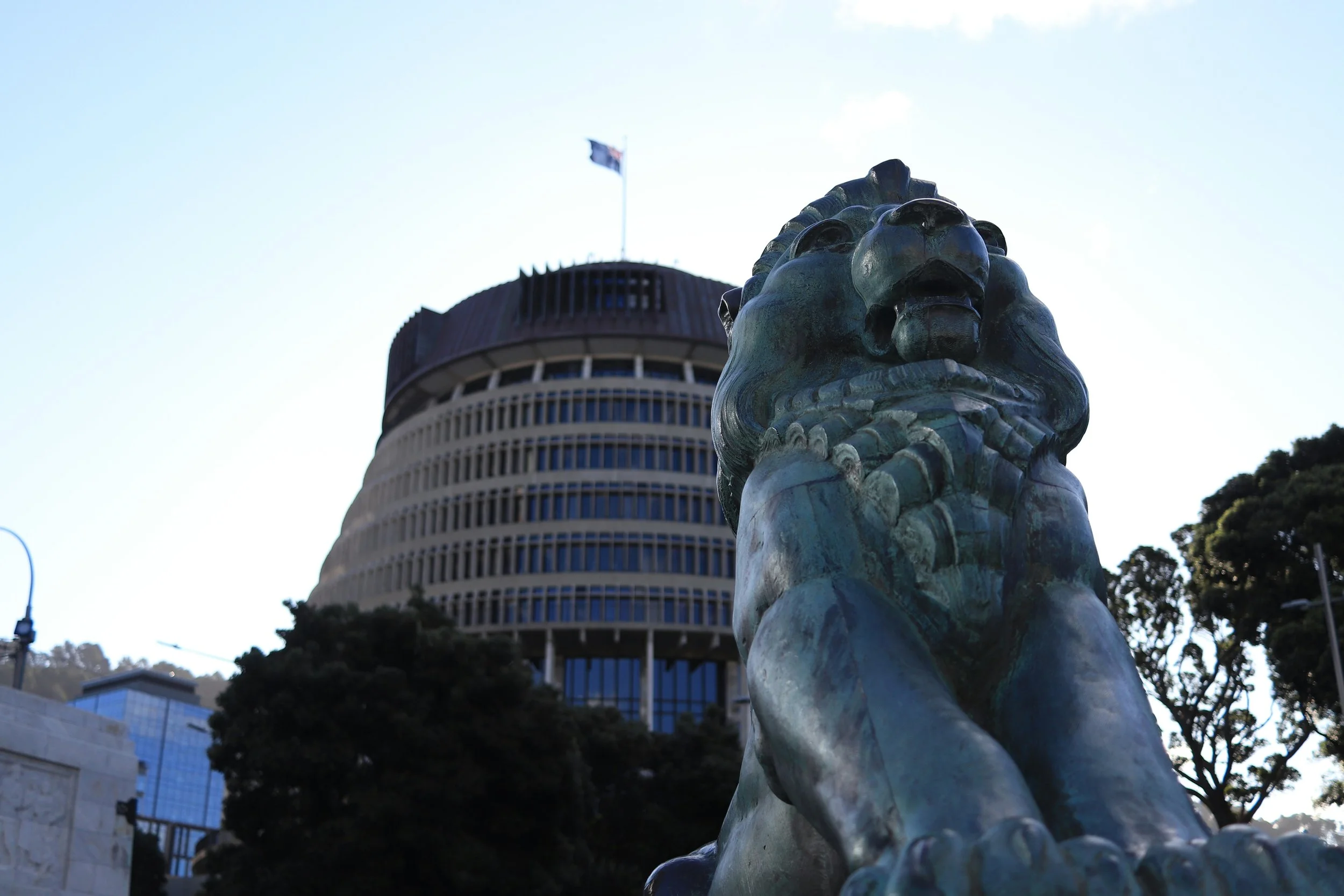
On Saturday 7 November 2026, Aotearoa goes to the polls for the General Election. The decisions made in Parliament over the next term will shape climate action nationwide, including here in Tāmaki Makaurau.
Let's #Vote4Climate this year!
This year Aotearoa has taken a battering from numerous extreme weather events, while many in our communities are still recovering from the floods of 2023. Climate change is impacting us now and requires action at many levels.
Key questions
Before diving into the key climate areas below, here are three questions worth putting to every candidate:
How will you achieve real emissions reductions, not offsets, including addressing agriculture's share?
What's your plan for climate adaptation, and who pays when communities are at risk?
Will you reaffirm Aotearoa's commitment to the Paris Agreement and its targets?
Want the full picture on New Zealand's targets and progress? See the official numbers
5 Key Climate Areas: What’s at Stake and What to Ask
-

Environmental Protection
Aotearoa's native species and ecosystems are under pressure from habitat loss, and climate change is adding to it. Healthy wetlands, forests and coastlines don't just support biodiversity, they also protect our communities from floods, storms and erosion. Central government funding, laws and planning rules determine whether nature can keep doing this job.
Nature can protect us, but only if we also protect nature.
-

Climate-Friendly Transport
A liveable Tāmaki Makaurau means everyone has real choices for how they get around: choices that support the climate, our health and our communities. Transport is one of the fastest growing sources of Aotearoa's emissions, and most people are still forced to rely on cars due to limited public transport, walking and biking options.
Central government sets the national transport funding split through the Government Policy Statement on Land Transport. That's what determines how much goes to roads versus public transport, walking and cycling, in Auckland and everywhere else.
We urgently need better transport options.
-

Waste Reduction and Circular Economy
Achieving zero waste is climate action. While most attention goes to landfill methane, waste emissions start long before disposal, through the extraction, production, transport and consumption of everything we buy. Many of these emissions happen offshore, but they're still part of Aotearoa's carbon footprint.
Central government sets national waste policy: the waste levy, product stewardship schemes and the Emissions Reduction Plan. We need MPs who understand that waste isn't just a disposal issue, it's a systems issue.
-

Kai Resilience
Local, community-led kai initiatives are helping build a low-carbon, climate-resilient food system: one that is secure and equitable, and grounded in regenerative and circular economic principles.
Volunteers, growers and neighbourhood leaders are growing food, healing soil, composting waste, rescuing surplus kai, reconnecting people to the whenua and to each other. National settings on food resilience, soil protection and trade policy shape how far these efforts can go.
-
Energy
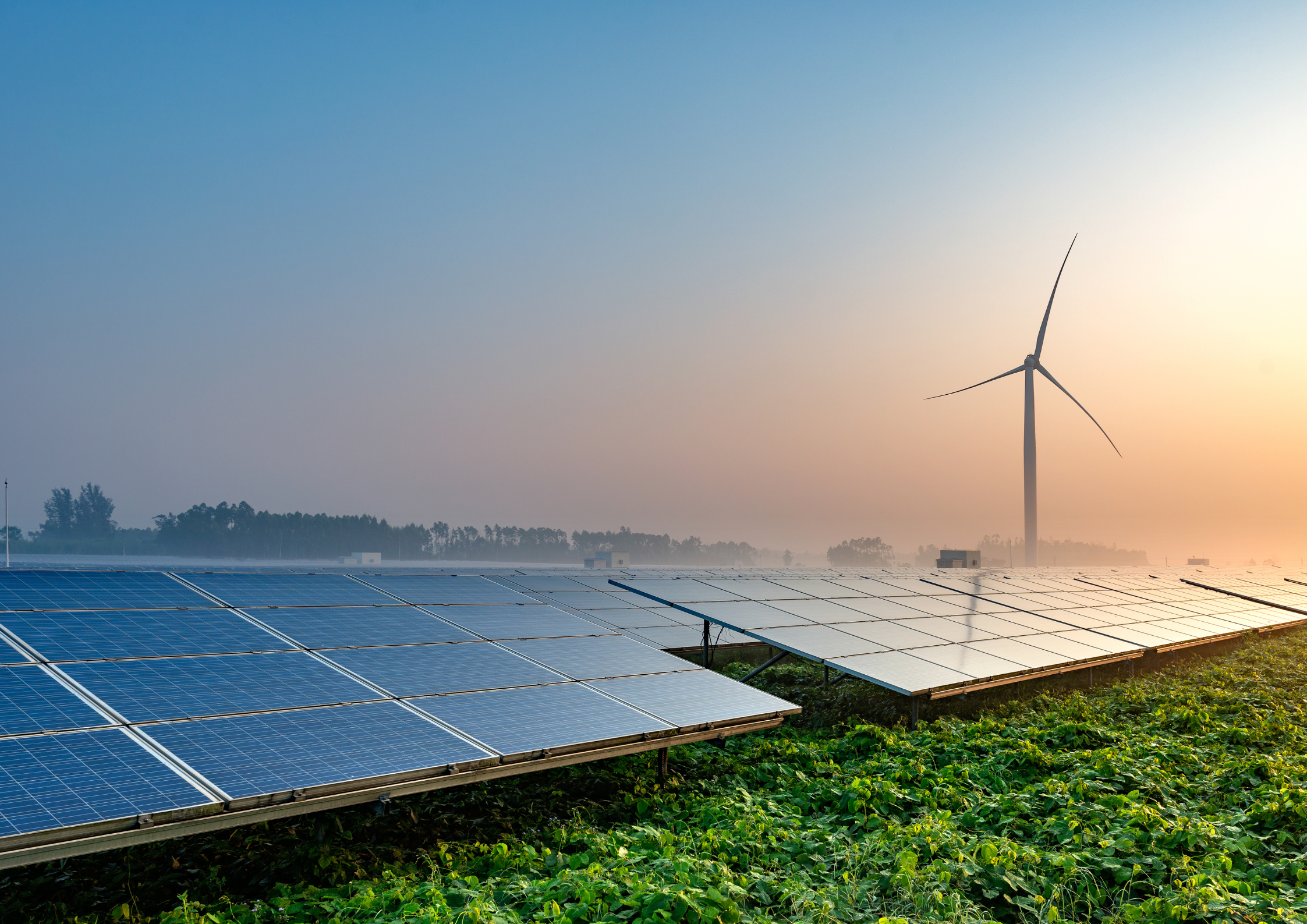
A secure, affordable energy future is climate action. While much of the focus is on keeping the lights on today, the choices we make about how we generate, use and share energy will shape our emissions, resilience and household costs for decades to come.
We need candidates who understand that energy isn’t just a supply issue—it’s a systems issue.
Make Your Voice Count
CCAN members and many others are coordinating “flaxroots” mahi to reduce emissions and build resilience across Tāmaki Makaurau, but this work needs nationwide policy and funding behind it. We need leaders who will commit to real emissions reductions and fund fair, effective adaptation, so our communities are protected now and in the future.
Together, we can make climate an election issue and push our politicians for real leadership.
Let's encourage our networks to attend candidate meetings, email or meet with local MPs, and ask clear questions about what they'll do to support climate action.